

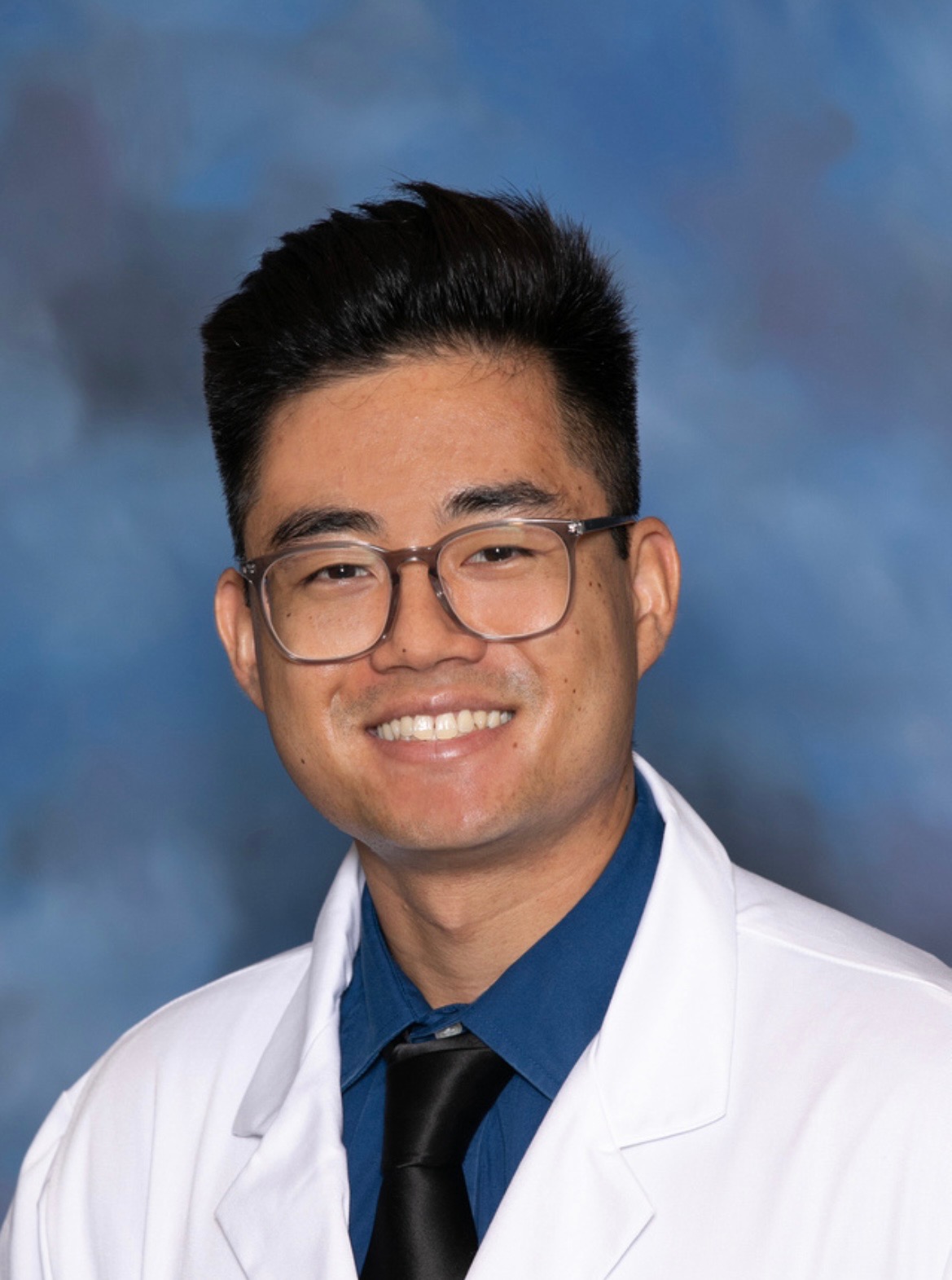
Kelvin Vo
•
December 2, 2025
A medical student’s experience working with Vietnamese patients in New Orleans reveals how language can transcend translation, fostering empathy, identity, and a renewed sense of calling in medicine.

“Oh, you’re moving to New Orleans? There’s a really big Vietnamese population there!”
I heard this often while preparing to move across the country for medical school. What I didn’t realize was that most Vietnamese families lived well outside downtown New Orleans, far from where I spent most of my time studying and volunteering. Aside from the occasional visit to a Tết Festival or grabbing a bánh mì at the local Asian market, I experienced little meaningful connection with the Vietnamese community there.
That changed during my family medicine rotation. I was excited when my request to be paired with a Vietnamese physician was granted. However, on my first day driving to the clinic, across the Mississippi River and away from downtown, my excitement gave way to anxiety. I had described my Vietnamese as “conversational” on my interest form. Could I really navigate medical terminology in another language? Was I in over my head?
The first week was certainly humbling. Every patient encounter felt like mental gymnastics: thinking through my questions in English, translating them into Vietnamese, listening carefully to each response, mentally converting their words back into English, and finally documenting my notes for presentation. The clinic was busy (around 45 patients a day) and with nearly half being Vietnamese-speaking only, I quickly became the go-to interpreter. By the end of each day, my brain felt exhausted from switching back and forth between languages and clinical reasoning.
But over time, I adapted and things started to click. I began to pick up new vocabulary—asking staff for help between patients, jotting down phrases, and learning words I never knew before, like “blood vessels,” “ultrasound,” and “tetanus.” Little by little, my fluency grew. When older patients complimented my Vietnamese, I felt a deep pride and gratitude toward my parents for insisting on speaking the language with me growing up. What once felt like a burden of translation became a bridge—one that allowed me to connect and care in a way that transcended words.
The most meaningful part of this experience was discovering a sense of cultural belonging I hadn’t expected. Before this rotation, I sometimes struggled to relate to patients in New Orleans—I was an outsider from California, far from home, and not from the South. Yet here, with patients who had once journeyed from Vietnam to Louisiana, I found a shared heritage that brought us closer. Despite our different upbringings, we understood each other in a way that felt deeply familiar.
For the first time in my medical training, I felt truly at home. I was somewhere across the country, but still rooted in something personal. The language my parents gave me has become one of my greatest gifts, not only reconnecting me with my heritage but also strengthening my purpose in medicine: to serve, to understand, and to heal across divides. This rotation reminded me that who I am—my culture, my upbringing, and even my struggles—can be my greatest asset as a future physician.
kvo5@tulane.edu


-7.svg)
At AAPI Chronicles: Voices in Medicine, we are committed to fostering a supportive and inclusive environment where the AAPI medical community can share their stories, celebrate their achievements, and advocate for a more equitable and compassionate healthcare system.


